The £216 Question: Is Boiler Cover a Safety Net or a Subscription to Worry?
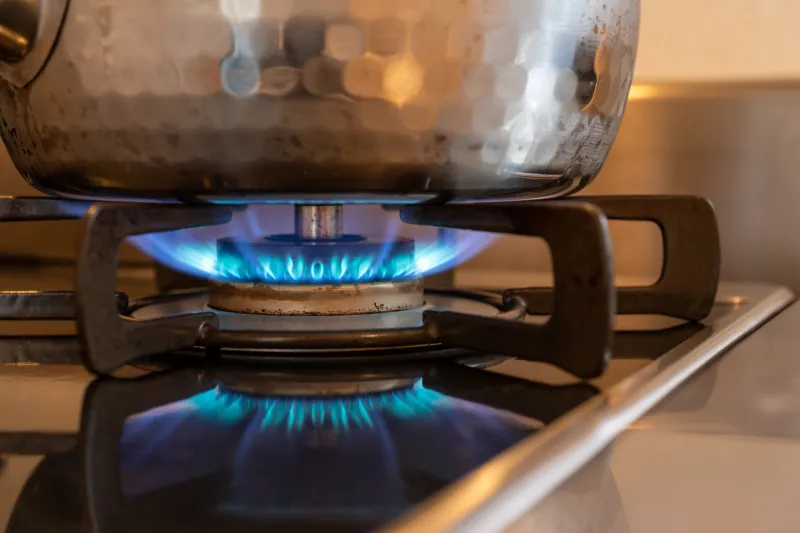
Photo: Gas Safe engineer servicing domestic boiler in UK kitchen stock photo, via healthcare.utah.edu
There is a particular kind of comfort in paying £18 a month for boiler cover. The direct debit leaves your account, a glossy policy document lands in your inbox, and you tell yourself the big scary repair bill is now someone else’s problem. It is a nice feeling. The question is whether it is a £216-a-year feeling.
Boiler cover is not a scam. For some households it is genuinely useful. But it is also a product sold to people who are afraid of a cold house and a four-figure quote, and fear is not a great basis for a financial decision. So let’s take the drama out of it and look at the numbers, the small print, and the alternative that often gets overlooked: a boring little savings pot with a very specific job.
What you are actually buying
Boiler cover is not one neat product. It is a family of policies that can include an annual service, unlimited callouts, parts and labour, or just a contribution towards a repair. Some policies cap the total claim at £500 or £1,000. Some charge an excess every time an engineer visits. Some cover the boiler but not the controls, the flue, or the radiator valves. A few include a service, which is worth factoring in because a service alone often costs £80 to £100.
Before you compare monthly prices, compare the actual promise. Is there a 24-hour helpline? Do you get priority? Is there a limit on how many claims you can make? Does the policy exclude boilers over a certain age? Is the annual service included or extra? A cheap policy with a £100 excess and a £500 cap is a very different animal from a pricier one with no excess and no cap.
The other distinction is between boiler cover and home emergency cover. Home emergency might sort a burst pipe or a broken lock, but it often has a lower limit and may not cover the boiler itself. If you are paying for both, check they are not overlapping. Paying twice for the same reassurance is not a clever money move.
The break-even maths nobody puts on the leaflet
Let’s use a simple example. Suppose cover costs £18 a month, which is £216 a year. Suppose the excess is £75 and a typical repair is £300. If you claim once in a year, the policy pays out £225 after the excess, and you have paid £216 in premiums. You are roughly level, before you count the hassle of waiting for an approved engineer.
If you claim once every three years, you have paid £648 in premiums plus a £75 excess. Even allowing for the repair you would otherwise have paid for, you are not ahead. You have bought certainty, not savings. That can still be a valid choice, but it is important to call it what it is.
A boiler does not usually break every year. Many well-maintained boilers run for a decade or more with only a service and the occasional part. That is why the insurer can afford to offer cover. The average customer pays in more than the average claim. That is not a conspiracy; it is how insurance works. The question is whether your household is the exception, and whether you can handle the bill if you are not.
The exclusion traps that turn a claim into a argument
The most common disappointment with boiler cover is not a refused claim because the boiler exploded. It is the awkward middle ground: the engineer arrives, pokes around, and says the fault is down to sludge, scale, or a lack of servicing. Those are often excluded. So is anything the insurer decides is a pre-existing fault. If you have skipped services for three years, do not assume the policy will quietly forget.
Other traps to look for:
- Boiler age limits, often around 10 to 15 years.
- A requirement for annual servicing by a Gas Safe registered engineer, with records.
- Caps on parts, labour, or total claims.
- Exclusions for power flushing, sludge removal, or system cleaning.
- A clause allowing the insurer to write off the boiler if the repair is not economical.
- Separate excesses for each callout, not each year.
- No cover for accidental damage or known faults.
None of these are hidden in tiny print by accident. They are the terms that decide whether your policy is a safety net or a subscription to worry.
When cover can be the sensible bet
There are households where boiler cover makes real sense. If you have no emergency savings and a £400 repair would go on a credit card, the monthly payment can be a budgeting tool. If your boiler is older and you have a full service history, a policy that includes an annual service may be reasonable value. If you are a landlord with legal obligations, the calculation is different because you are buying a service as well as cover.
The key is to be honest about why you are buying. If the answer is “because I would not sleep otherwise”, that is a valid reason, but set a review date. Do not let a fear-driven direct debit roll on for years without checking the price and the terms.
The repair fund alternative
For many households, a dedicated boiler fund beats cover on both cost and flexibility. Set up a savings pot and move £18 a month into it. After a year you have £216. After two years, £432. That is enough for most common repairs, and you keep the interest, the choice of engineer, and the freedom to shop around.
Get the boiler serviced annually anyway. Keep the paperwork. If the boiler is getting old, increase the monthly amount towards a replacement fund. A new boiler is a big bill, often £2,500 or more, but most cover policies do not replace your boiler when it dies. They repair it, or they write it off. A repair fund is not glamorous, but it does not argue with you about sludge.
The catch is discipline. A boiler fund only works if you do not raid it for Christmas or a cheap flight. Give it a boring name, keep it separate, and treat the balance as spent on future peace of mind.
A five-minute decision check
Before you renew or sign up in 2026, ask five questions. How old is the boiler, and do you have service records? What is the excess, and what is the claim cap? Does the policy include a service, and would you pay for one anyway? Could you cover a £400 repair from savings without borrowing? And finally, are you buying protection or just smoothing out fear?
There is no single right answer. If the maths and the peace of mind both work, cover can be fine. If the maths is shaky and the exclusions are wide, a small monthly transfer to your own repair fund is often the cleverer bet. Either way, make it a decision rather than a direct debit you forgot about.