The Price Before the Sticker: A Fifteen-Minute Black Friday Check

Photo: Billy McCrorie, CC BY-SA 2.0, via Wikimedia Commons
Black Friday has a way of making a normal price look like an event. The page goes dark, the countdown starts, and a crossed-out number does a lot of emotional work. But a deal is not a deal just because it has tinsel on it. The better question is simple: is this cheaper than the price you would normally pay, and was it already on your list?
That is where a short price dig helps. Not an hour of spreadsheet theatre — a focused 15 minutes before you tap pay. Think of it as archaeology for the sticker price: brush away the marketing layer and see what is underneath.
Start with the list, not the deal
Before you open a single retailer tab, write down the three things you actually need this month. A replacement kettle. A winter coat for a growing child. A new printer because yours has begun making a noise like a dying fax machine. Keep the list short and specific.
If a Black Friday offer is not on that list, it gets the 24-hour rule. Save the link, close the tab, and come back tomorrow. Most urgent deals survive a day. The ones that do not were probably doing you a favour by disappearing.
This matters because Black Friday 2026 will not just be a sale. It will be a wall of reminders that you are missing out. Your list is the fence around your budget.
Step 1: Check the price trail, not the percentage
A big percentage off only tells you what the retailer says the old price was. It does not tell you what the item usually sells for. Those are different things.
For Amazon items, price-history tools such as CamelCamelCamel and Keepa can show how the price has moved over weeks and months. For the wider web, try PriceRunner, Google Shopping price insights, or a quick search for the model number plus the word price. HotUKDeals can also be useful for a sanity check, though treat it as a clue rather than a verdict.
Look for three numbers:
- the current Black Friday price;
- the typical price over the last three to six months;
- the lowest recent price, if the tool shows one.
Ignore the recommended retail price. Ignore the dramatic was price. Focus on what real people were paying in an ordinary week. If a blender is £89.99 today but spent most of September at £94.99, the genuine saving is a fiver, not the £60 suggested by the sticker. That does not make it a bad product. It makes it a normal price wearing a party hat.
Step 2: Do the unit-price maths
Unit pricing is the quiet hero of UK grocery and household shopping. It is also where Black Friday bundles go to hide.
Check the price per 100g, per 100ml, per wash, per sheet, or per item. A bigger pack is not automatically better value. Neither is a two-for-one if the base price has been nudged up.
Example: a 2kg pack at £12 works out at £6 per kilo. A 1.5kg pack at £10 works out at £6.67 per kilo. The second pack may look cheaper at the till, but the first is better value if you will use it. If you will not use it, neither is a bargain — it is just cupboard clutter with a receipt.
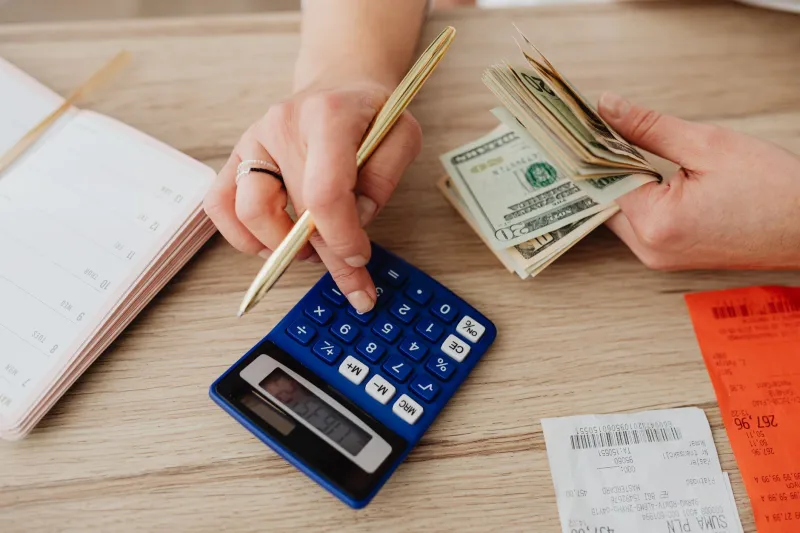
The same logic applies to toilet rolls, dishwasher tablets, coffee, nappies and pet food. Work out the unit price on your phone calculator. It takes 20 seconds and cuts through a lot of noise.
Step 3: Do the bundle maths
Bundles are designed to make comparison feel difficult. A console with an extra controller. A phone with a case and a year of something. A beauty set with a bag you never wanted. The trick is to price the bits you actually need, then compare that total with the bundle price.
Ask two questions:
- Would I buy every item in this bundle at full price if it were not included?
- What is the honest value of the extras to me — not to the retailer?
If the answer is no, subtract the extras. A free game you would never play is not worth £45. It is worth £0 to you. A bundle can still be good, but only if the core item is the right price and the extras are things you would genuinely use.
Step 4: Read the return-window fine print
Before you pay, check the return policy. In the UK, online orders usually give you 14 days to cancel from delivery under consumer law, separate from the retailer's own policy. But Black Friday and Christmas can complicate things. Some retailers extend returns over the festive period, while others have exclusions for certain items, opened goods or large appliances.
Look for three details: the last date you can return, whether the item must be unopened, and who pays return postage. If the deal depends on you loving something you have never seen in person, the return terms are part of the price.
The 15-minute dig in practice
Set a timer. Spend three minutes on your list, five minutes on price history, three minutes on unit or bundle maths, two minutes on returns, and two minutes on a final pause. If you cannot verify the price, wait. If you can verify it and it is on the list, buy with a clear head.
A good Black Friday purchase is usually quite boring: needed, budgeted for, cheaper than usual, and easy to return if it goes wrong. The decorated deals can wait. The price before the sticker is the one that matters.