The Sell-By Date on Christmas Plastic: A Gift Card Check-Up

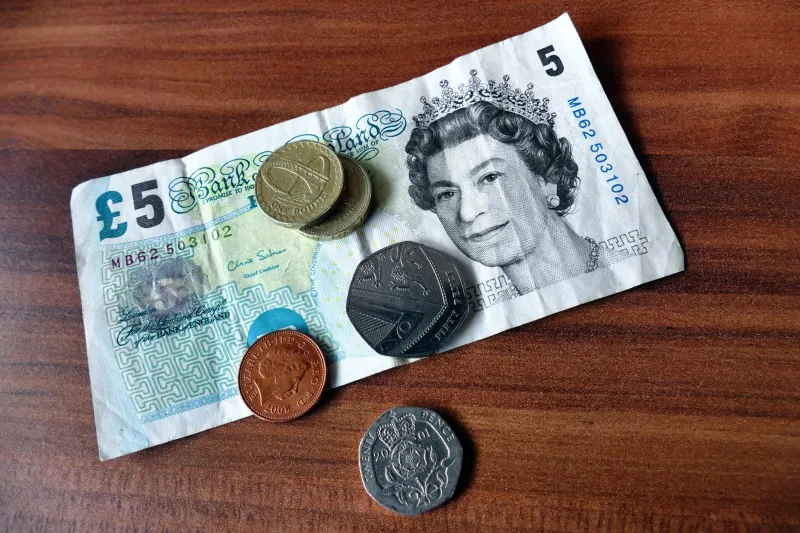
Photo: User:Charvex, Public domain, via Wikimedia Commons
Gift cards are the emergency present of choice for a reason. They fit in a card, they travel well, and they say “I didn’t want to guess your size” without actually saying it. But a £50 gift card is not the same as a £50 note. It is a promise with terms attached, and those terms often include a clock.
That matters as Christmas 2026 approaches. If you are buying gift cards, receiving them, or still carrying a half-used one in your wallet from last year, a small bit of admin now can stop a generous present turning into a small donation to the retailer.
A gift card is a promise, not a tenner
Cash is cash. A gift card is a stored balance held under the retailer’s terms. That means the expiry date, the shops where it works, and what happens if the company gets into trouble are all set by the small print — not by the fact that it was bought with real money.
Most UK gift cards last at least 12 months, and plenty run for 24 months or longer. But “most” is doing a lot of work in that sentence. Some e-gift cards, promotional cards and multi-store cards have different rules. Check the date before you buy, and check it again before you hand it over.
If you are giving a card, it is not scrooge-like to mention the expiry date. A quick note — “this one runs out next Christmas” — is more useful than letting the recipient assume it lasts forever. A gift receipt is also worth including where the retailer offers one.
The quiet leak: forgotten balances
The classic gift card failure is not a dramatic collapse. It is a £3.87 balance left on a card that gets put in a drawer and found two years later. Or a £20 e-gift card buried in an email inbox under a pile of delivery notifications.
Part-spending is where the leak happens. You use £46.13 of a £50 card, vow to spend the rest, and then life moves on. Multiply that by a few birthdays and Christmases and it is easy to have £40 or £50 floating around in plastic form without realising it.
A simple fix is to keep gift cards together in one envelope or a labelled wallet pocket, not scattered between bags and kitchen drawers. For e-gift cards, create a dedicated email folder called “Gift cards” and move the message into it the day it arrives. It sounds fussy. It takes about 20 seconds.
Keep the receipt details, not just the card
When you buy a gift card, keep the receipt or order confirmation. Photograph the card number and the activation receipt if you are storing it at home — but keep the PIN or security code separate and private. If a card is lost or stolen, the retailer may ask for proof of purchase before doing anything.
For e-gift cards, save the PDF or forward the email to your own folder. Note who sent it, the amount, the expiry date and any restrictions. If the card is for a specific shop, check whether it can be used online as well as in store. Some can; some cannot.
This is also your evidence if something goes wrong. If a card has not activated properly at the till, or a balance looks wrong, the receipt is the difference between a quick fix and a long argument.
When a retailer gets into trouble
Gift cards are generally not protected by the Financial Services Compensation Scheme. If a retailer goes into administration, the card is usually an unsecured claim, and the administrators decide whether to honour it. Sometimes they do, sometimes they do not.
That does not mean you should panic about every gift card. It does mean you should avoid treating them like long-term savings. If you have a card for a retailer that is looking shaky, spend it on something you actually need sooner rather than later. And if you are buying a present for someone else, a smaller card plus a small physical gift may be kinder than a £100 card for a business that might not be there in February.
If a retailer does fail, keep the card, the receipt and any emails. Check the administrator’s website for instructions and register a claim if one is available. It may not get you far, but it is better than binning the evidence.
The January sweep
Diarise a gift card sweep for the first week of January. It does not need to be a big event: put the kettle on, gather every card in the house, and make a list.
For each card, note the shop, the balance, the expiry date and where it is stored. Check balances on the retailer’s website or by phone. Then ask a practical question: what will I genuinely buy with this? If the answer is “no idea”, the card is already drifting.
January sales are a good moment to use balances on things you were going to buy anyway — replacement bedding, a new kettle, school shoes, a birthday present you will need later in the year. Do not let a gift card talk you into buying something you would not otherwise have bought. That is not saving money; it is spending with extra steps.
Set a calendar reminder 30 days before each expiry date. If a card expires in March, the reminder lands in February. That is enough time to use it without a last-minute panic-buy.
A buying rule for Christmas 2026
Before you buy a gift card this Christmas, ask three questions. Which shop will the person actually use? When does the card expire? And would cash or a smaller, more specific present do the job better?
If you cannot answer the first two, put the card down. A gift card should be a shortcut to a present, not a piece of admin you are handing to someone else. Buy with a spending plan, keep the proof, and treat the balance like cash with a deadline. That way the £50 you spend stays a £50 present — not a £50 lesson in reading the small print.