The Split-Payment Sting: Nine UK Bills That Cost More the Moment You Pay Monthly

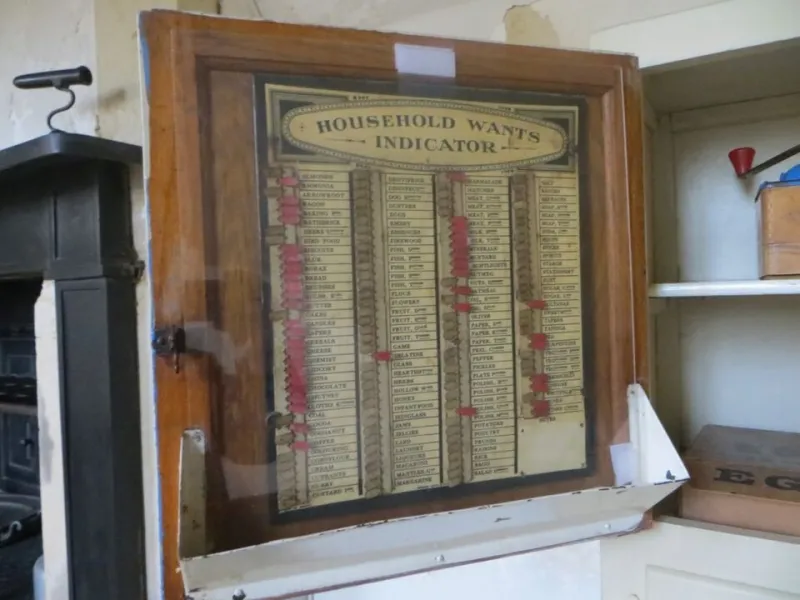
Photo: Smith, Walter, 1836-1886; Smith, Walter, 1836-1886. Industrial art of the International Exhibition, No restrictions, via Wikimedia Commons
There's a comforting logic to paying monthly. Rent or mortgage, energy, broadband, council tax — it all leaves the account on a schedule, and nothing ever lands as a £600 surprise in the middle of a bad week. Spreading the cost feels like the sensible, grown-up option.
Except on a fair few bills, it isn't free. Somewhere in the small print, "pay monthly" is a euphemism for "borrow the money from us at an interest rate you'd never agree to if we called it that." The gap between the annual price and the twelve-instalment price is one of the easiest bits of household waste to spot once you know where to look.
What's actually happening when you split a bill
Insurance is the big one. If you buy an annual policy and pay in twelve chunks, you're usually taking out a credit agreement — often called premium finance — with a typical APR somewhere in the twenties. Nobody sits you down and says "by the way, this is a loan." It just appears as a slightly larger number on the confirmation screen.
Other bills do it more openly. Vehicle tax charges a flat percentage surcharge for anyone who spreads it. Plenty of service providers charge an "administration fee" per instalment or simply price the monthly plan higher from day one, because they know the annual option looks scarier on paper.
None of this is illegal. It's just designed to be invisible.
Do the sums in ten seconds
The calculation is almost embarrassingly simple:
(monthly payment × 12) − annual price = what the instalments cost you
As a rough annual percentage, double the extra cost and divide by the annual price. So a policy quoted at £420 a year, or £38.50 a month, works out at £462 over the year. That's £42 extra — roughly 20%. On a £200 vet bill that's annoying; on three policies a year it's a decent chunk of a Christmas budget.
Do this once per renewal, on every bill you pay monthly, and keep the numbers in a note on your phone. Two renewals in and you'll spot the pattern in your own household without even trying.
Nine bills that regularly charge a premium for spreading
1. Car insurance. The most common example of premium finance, and usually the priciest. Annual payment in full frequently undercuts the monthly plan by a noticeable margin, and the gap widens on higher-risk drivers.
2. Home and contents insurance. Same mechanic, smaller numbers, and often a per-instalment admin charge on top. If you've bundled buildings and contents, check the monthly figure against the annual quote before you assume it's a good deal.
3. Breakdown cover. The big names quote annual and monthly prices that don't line up. Monthly often costs more across twelve payments than a single annual card — and you're locked in for the year regardless.
4. Boiler and home emergency cover. Very common monthly product, very rarely the cheapest way to buy it. Insist on an annual price for comparison, then decide if the cover is worth having at all.
5. Pet insurance. Premiums rise with age, and the monthly plan is where the finance charge hides. It's also the policy most likely to be cancelled mid-year, which is exactly why some providers prefer monthly customers.
6. Vehicle tax. The DVLA charges a set surcharge for spreading: roughly 5% if you pay by monthly Direct Debit across the year, and around 10% if you pay in two six-month chunks. It's one of the few cases where the penalty is openly published — which makes it a useful benchmark for spotting the hidden versions elsewhere.
7. Annual multi-trip travel insurance. Usually quoted both ways. The twelve-payment option is nearly always dearer, and you're paying for winter months you may not travel in.
8. Digital subscriptions with an annual option. Cloud storage, streaming tiers, software, even some newspaper apps. The annual price can be two months' worth cheaper than the monthly one. Not a finance charge exactly, but the same maths.
9. Extended warranties and gadget cover. Sold almost exclusively monthly because the monthly price sounds trivial. Multiply it by twelve and compare against what the item is actually worth replacing.
When paying monthly is genuinely the better call
Now the honest bit, because this isn't a lecture. There are times when the instalment premium is worth paying.
If the alternative is putting an annual bill on a credit card at 24% and paying it down over six months, the insurer's finance is probably cheaper. If paying in full would leave you with no cushion before payday, the extra few pounds is buying you something real — liquidity has a price and it isn't always a bad one to pay.
Monthly is also fine when the gap is trivial. A £6 annual difference on a £300 policy? Crack on. The point is to know the number, not to win every single one.
What isn't fine is paying 20% more out of habit, year after year, because you never looked.
The sinking fund that beats the instalment
Here's the move that turns an annual bill into a cheap monthly habit, without the finance charge.
- Get the annual price. Ring or check online and ask for the price if you pay in full today. Write it down.
- Divide by twelve. £420 a year becomes £35 a month.
- Set a standing order for the day after payday into a separate savings account — ideally one you don't use for anything else. Some easy-access accounts pay a bit of interest; the interest is a bonus, the separation is the point.
- Let it build. By month eleven you've got £385 sitting there and the bill is due on month twelve.
- Pay in full from the pot, keep the leftover, and reset the standing order.
You're now paying the cheap annual price in monthly-sized bites, and the difference between £35 and £38.50 stays in your account rather than the insurer's.
The renewal call that pays for itself
When the renewal letter lands, ask two questions in this order. First: "What's the total if I pay in full?" Second: "What's the APR on the monthly plan, and is there an arrangement fee?" A surprising number of providers will quietly drop the admin fee, or offer a slightly better annual figure, once someone's clearly comparing.
Then set a phone reminder for two weeks before the next renewal. The trick only works if it runs every year.
Start with the one you already pay
Don't try to fix all nine at once. Pick the bill you're paying monthly right now, work out the difference, and see if a sinking fund fits your cash flow. One policy converted is usually worth more than an afternoon of reading comparison sites — and next year the money's already sitting there waiting.
Small gaps, collected deliberately, add up faster than most people expect. That's the whole idea.